The idea behind remote patient monitoring is appealing: care that continues after the patient leaves the clinic, with wearables quietly tracking health between visits. The promise is real, but so are the practical hurdles, and it helps to see both clearly.
For chronic conditions, what happens between appointments often matters more than the appointments themselves. Wearables and connected devices can track signals like heart rate, activity, or glucose, giving clinicians a fuller picture and the chance to intervene earlier. AI helps by turning a constant stream of data into meaningful alerts rather than noise, flagging the readings that actually need attention.
Full remote monitoring is demanding. It involves hardware, reliable continuous data streams, integration with clinical systems, and strong data protection, since this is sensitive, ongoing personal health information. It also needs a clear plan for who responds when an alert fires, because data without a response is just data. These are the reasons full device-based RPM is one of the more complex areas to deliver well.
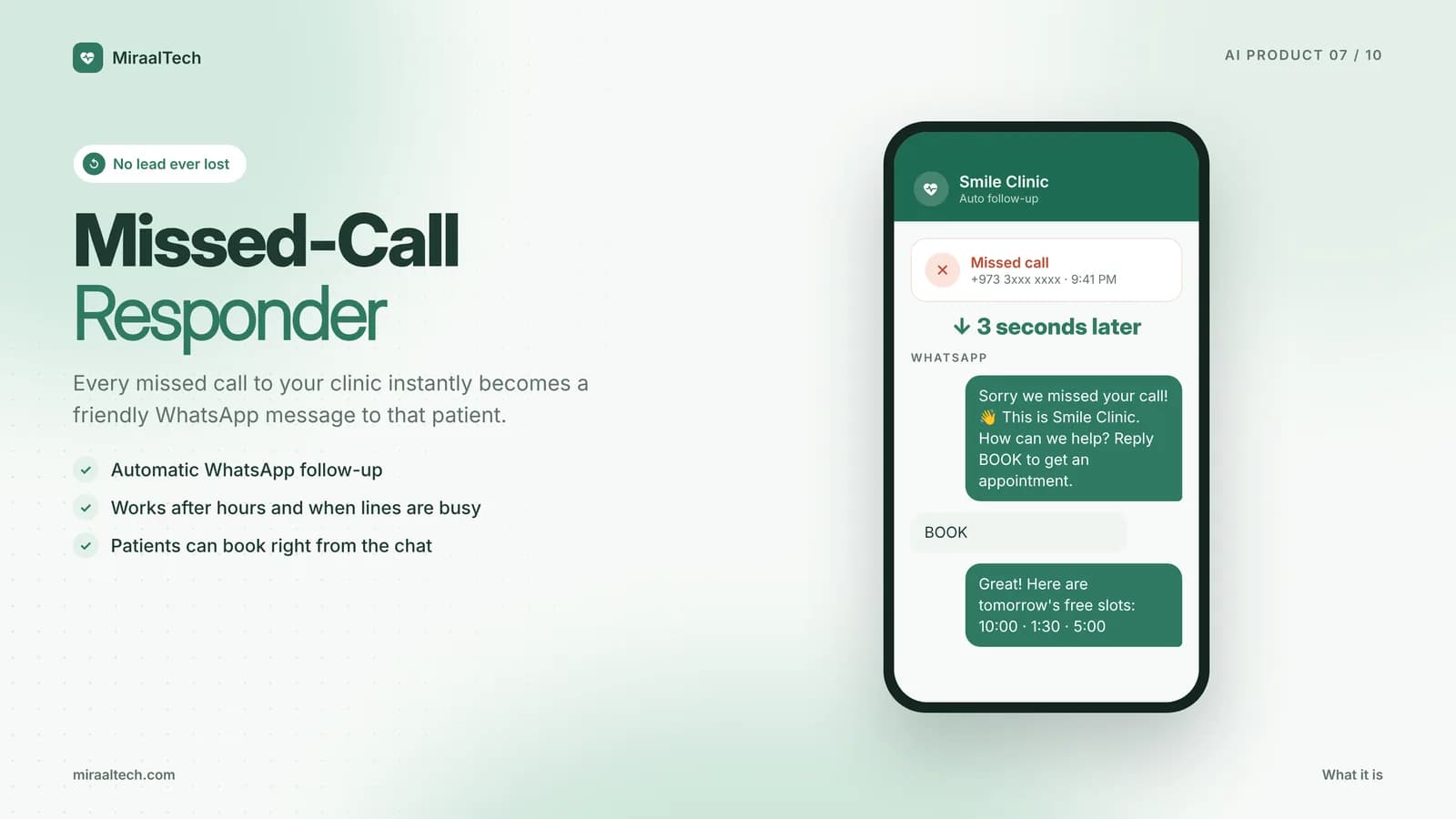
Not every benefit requires wearables. A great deal of value in staying connected to patients between visits comes from something much simpler: structured check-ins, reminders, and easy two-way communication over channels patients already use. That practical layer is available today and delivers real continuity, while full RPM matures for those with the infrastructure to support it.
Is RPM just about wearables?
No. Wearables are one part; the response process and integration matter just as much.
Why is full RPM complex?
It combines hardware, continuous data, integration, and sensitive-data protection.
What is a simpler first step?
Structured check-ins and reminders that keep patients connected between visits.
MiraalTech helps providers stay connected to patients between visits through practical, WhatsApp-native communication. Get in touch to talk about continuity of care that works today.